BOCES services are created when two or more school districts have similar needs that can be met through a shared program. Sharing is an economical way for districts to offer programs they otherwise might not be able to afford. These services must be approved by the Commissioner of Education according to need and practicality in a regional context. It will then be considered a Co-Ser (Cooperative Service) agreement.
Instructional Programs
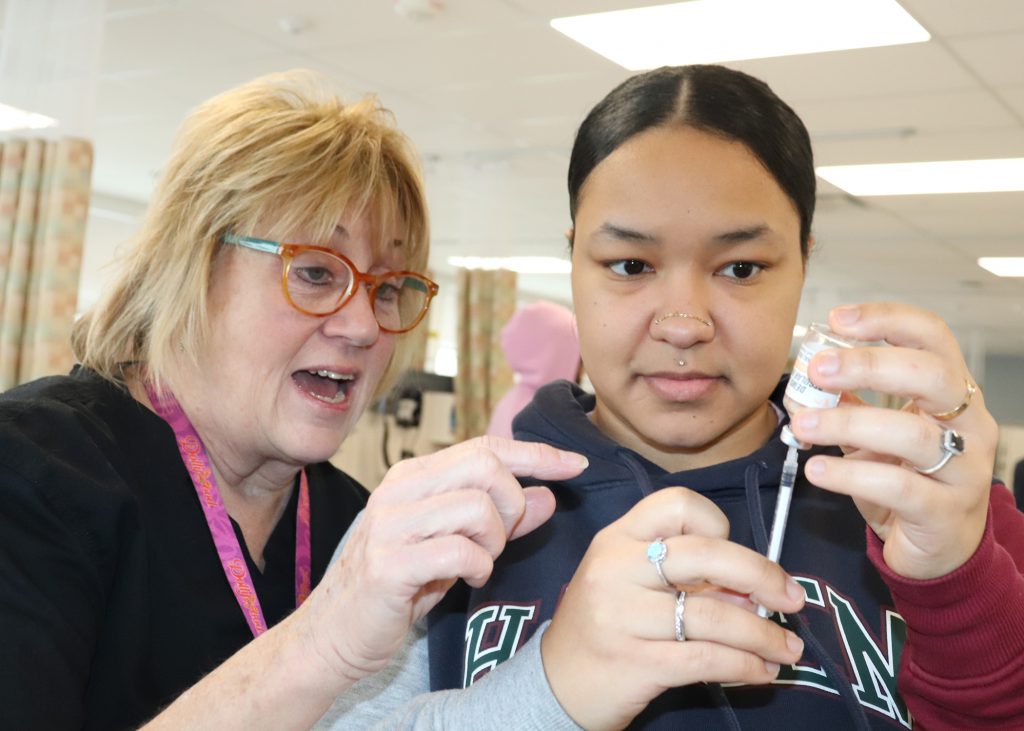

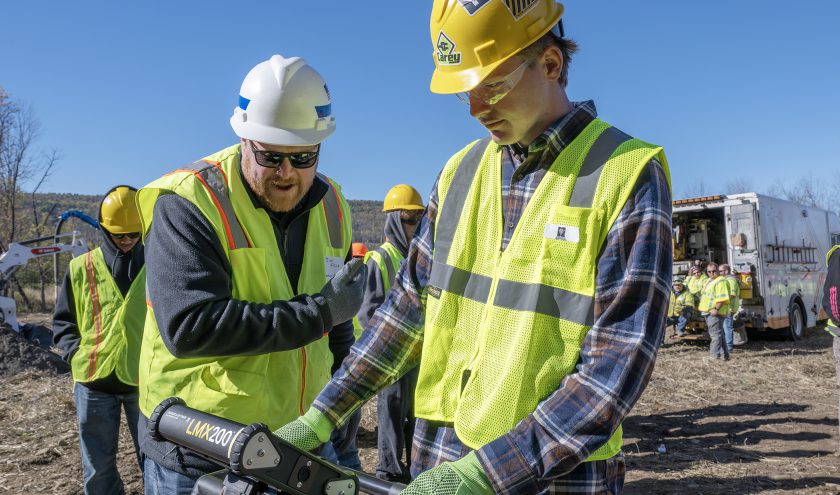
Many BOCES programs are instructional and include, but are not limited to:
- career and technical programs for high school students
- services for students with disabilities
- literacy programs and employment training for adults
- regional summer school
- professional development
- instructional technology
Looking for instructional programs in your area? Consult the Regional BOCES Directory.
Non-Instructional Support Services
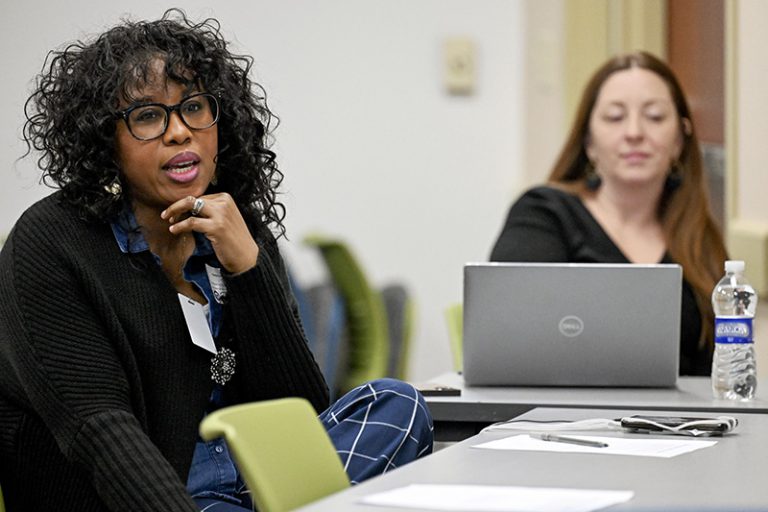

The remaining programs are non-instructional support services that help school districts contain costs. Examples include:
- business office support, such as accounts payable, cooperative bidding and health insurance cooperatives
- bus maintenance and transportation services
- energy cooperatives
- labor relations
- school lunch coordination
- administrative technology solutions and support through regional information centers
- state networks (e.g., Staff and Curriculum Development Network or “S/CDN”)
Consult the Regional BOCES Directory to find out how your local BOCES can meet your needs.
Value of Services
Value to Taxpayers
All BOCES collaborate with school districts to develop shared programs that serve students and promote equity among all districts regardless of enrollment, income or size of tax base. The BOCES network helps to relieve some of the financial burdens increasingly placed on local taxpayers.
BOCES Aid
School districts receive funds from the state, called BOCES aid, for the shared services purchased the previous year. The aid is distributed directly to the individual districts. The amount reimbursed to districts is based on a state-approved formula.
Quality Education for All
Since 1948, the BOCES model has proven to be a cost-effective method to ensure compliance with state mandates and has supported local and regional innovation. It has been said, in light of today’s fiscal environment, that if BOCES did not exist, they would need to be invented.
BOCES Surplus
BOCES surplus is money that was not spent during the year. As such, it is returned to the component school districts. Learn more about BOCES Surplus.